


When collectors begin exploring fine art, one of the first questions that comes up is the difference between an original artwork and a limited edition print. Both are important parts of the art world, and both are collected by serious buyers.
At galleries like Marcus Ashley Gallery in South Lake Tahoe, collectors often encounter both forms while exploring works by artists such as Fabio Napoleoni, Mackenzie Thorpe, Michael Parkes, Tim "Frogman" Cotterill, and Alexander Volkov.
Understanding the difference between original art and limited editions can help you make a confident decision when building or expanding your collection.
What Is an Original Artwork?
An original artwork is a one-of-a-kind piece created directly by the artist. There is only one version in existence, making it unique.
Original works can be created in many mediums, including:
- Oil paintings
- Acrylic paintings
- Mixed media
- Metalwork or woodwork
- Etc
For example, original paintings by Alexander Volkov often showcase expressive brushwork and layered paint, while bronze sculptures by Tim “Frogman” Cotterill are individually cast and hand-finished.
Because originals are singular creations, collectors value them for:
- Rarity
- Direct connection to the artist
- Visible signs of the creative process
When viewing an original, you may notice brushstrokes, texture, or subtle imperfections. These details are part of what makes the work feel alive and authentic.
For many collectors, owning an original artwork represents the purest form of collecting, since no other piece exists.
What Is a Limited Edition Artwork?
Have you ever wondered what those numbers on limited edition art pieces mean? Let's dive into the world of limited edition art numbers and uncover their significance.
What is a Limited Edition Art Number?
A limited edition artwork is a reproduction of an original piece that's produced in a restricted quantity authorized by the artist.
Instead of one piece, the artist allows a set number of prints to be created. Each print is usually:
- Numbered (for example: 15/150)
- Signed by the artist
- Printed using high-quality techniques
Common printing methods include:
- Giclée printing
- Screen printing
- Printing on archival paper or canvas
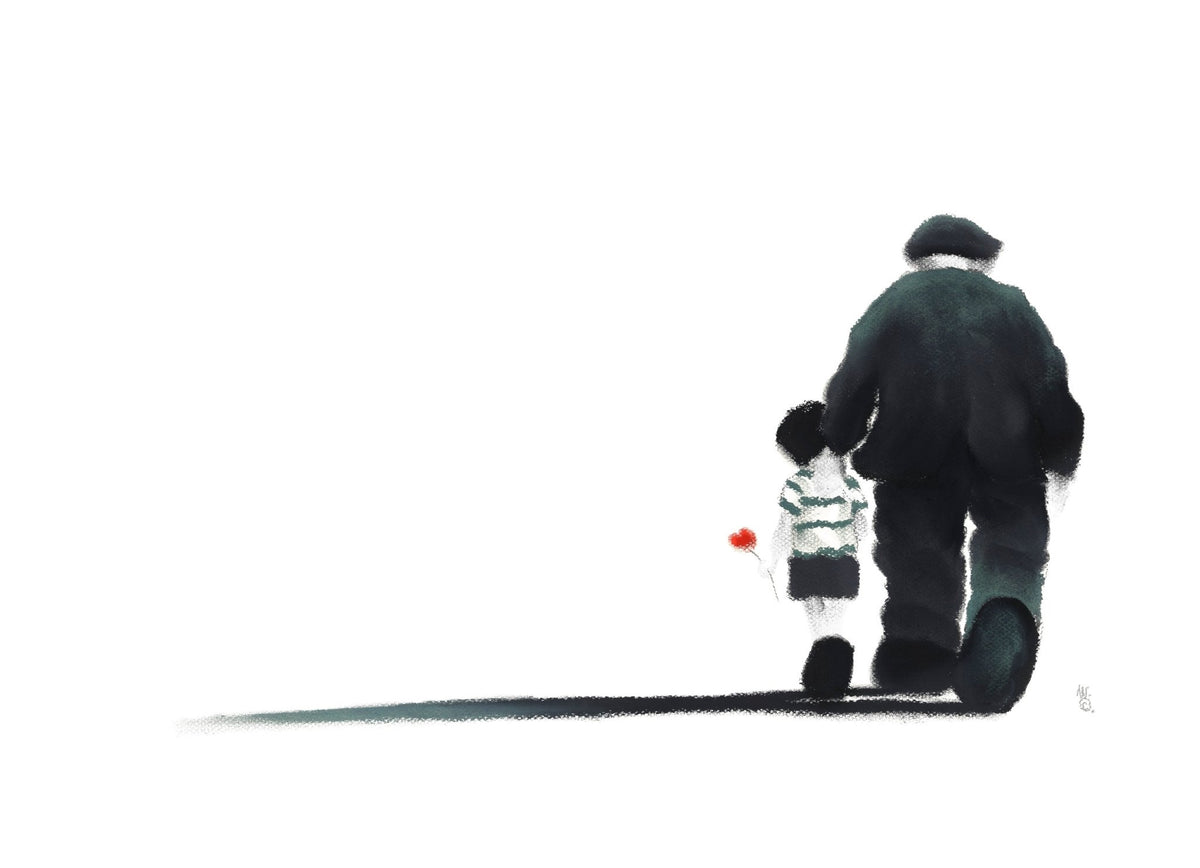
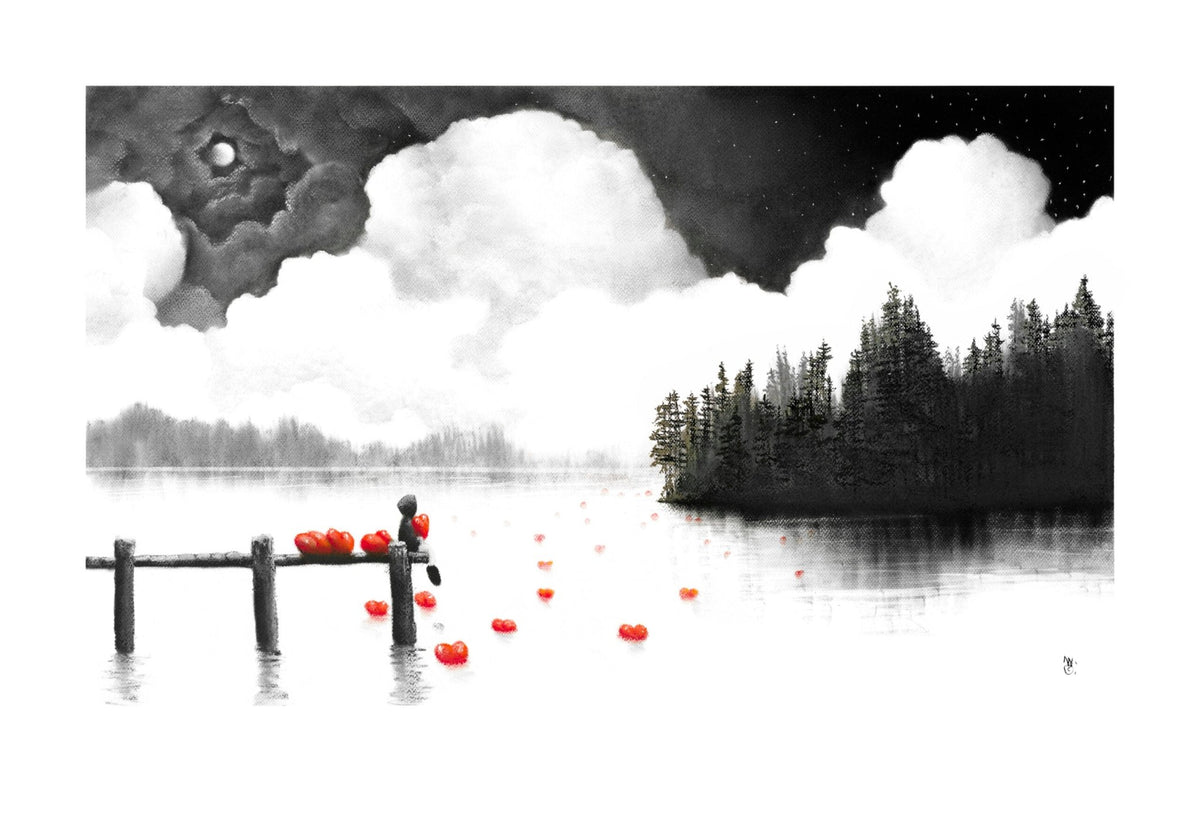
Artists like Fabio Napoleoni and Mackenzie Thorpe are well known for their collectible limited editions, which allow collectors to own their artwork even when original pieces are difficult to obtain.
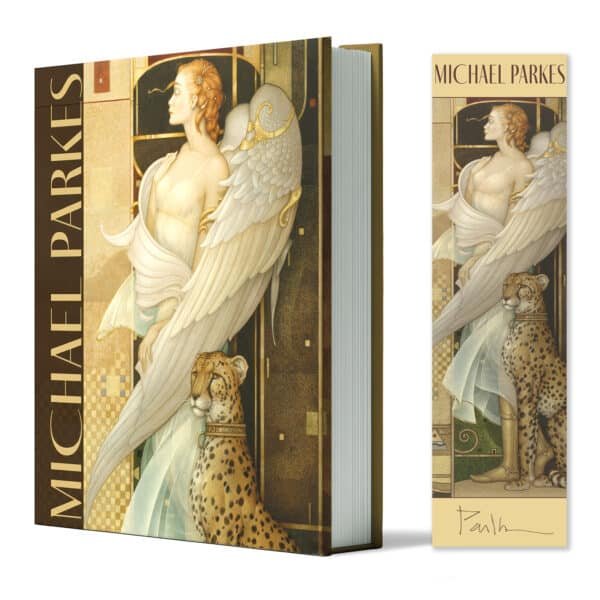
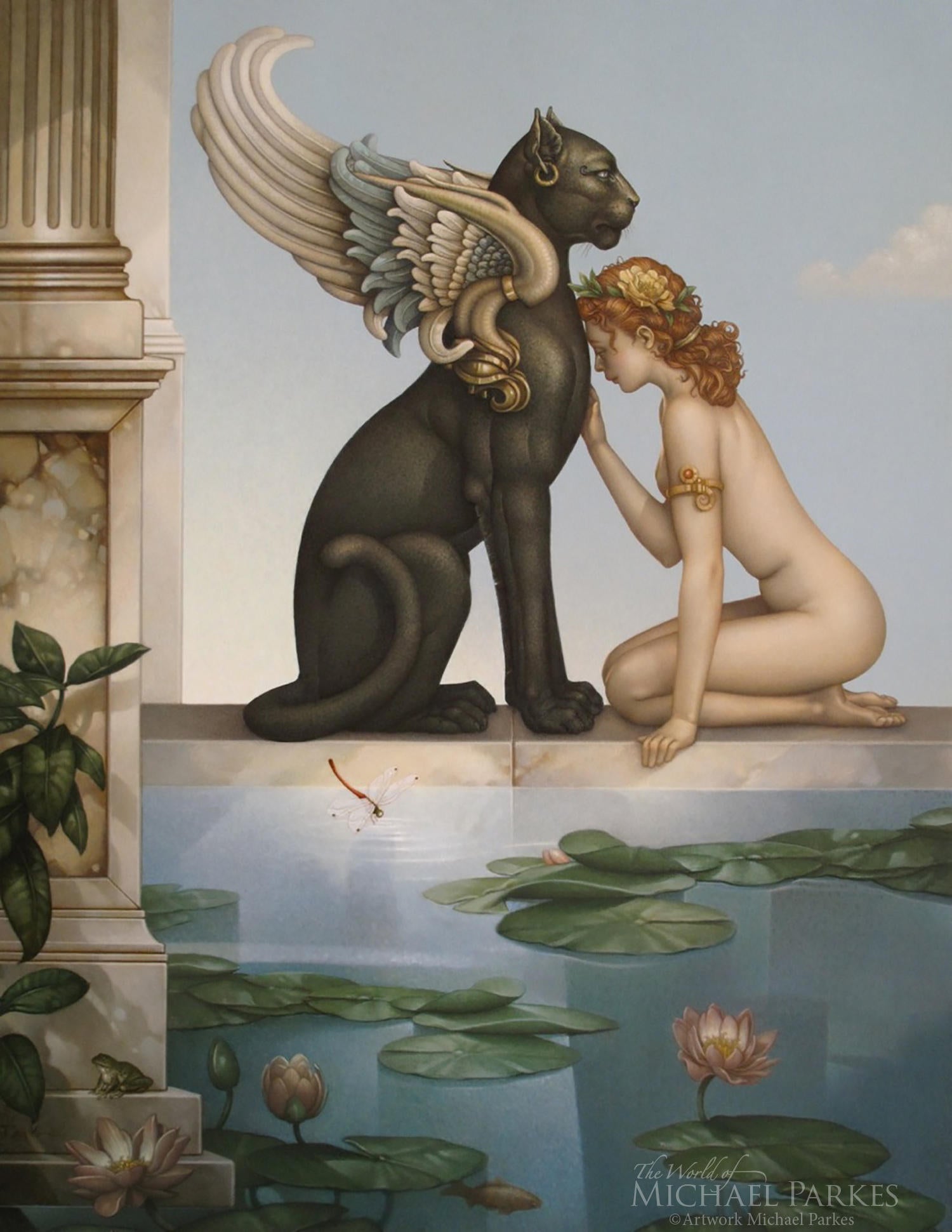
Similarly, Michael Parkes produces limited edition prints that maintain the elegance and detail of his original paintings while remaining accessible to collectors.
While limited editions are not one-of-a-kind, their controlled edition size preserves exclusivity, and once the edition sells out, no more are produced.
How to Tell if Artwork Is Original or Limited Edition
If you're looking at a piece and wondering which category it falls into, there are a few clear indicators.
Signs of an Original Artwork
Original pieces typically show evidence of the artist’s direct hand.
Look for:
- Visible brushstrokes or texture
- Layered paint or mixed media
- Subtle imperfections
- No edition numbering
For example, an original by Alexander Volkov may show expressive strokes and paint thickness that cannot be replicated in print.
Signs of a Limited Edition
Limited editions tend to have a more consistent surface since they are produced using printing techniques.
Common identifiers include:
- Edition numbers (such as 32/150)
- Artist signatures
- A smoother surface
- Uniformity across copies
Limited editions by artists like Fabio Napoleoni often include numbering and signatures that verify their authenticity and position within the edition.
How to Choose Between an Original and a Limited Edition
Choosing between these two types of artwork often depends on your budget, collecting goals, and personal preference.
Budget
Original artworks generally carry higher prices due to their one-of-a-kind nature.
Limited editions offer collectors the chance to own works by artists such as Mackenzie Thorpe or Michael Parkes at a more accessible price point.
Investment Potential
Because originals are unique, they often attract strong collector interest over time.
Limited editions can also appreciate in value when:
- The edition size is small
- The artist becomes increasingly recognized
- The edition sells out
- Personal Preference
At the end of the day, collecting art is deeply personal.
Some collectors are drawn to the tactile presence of an original painting. Others enjoy collecting multiple limited editions from artists they love.
The right choice is the piece that resonates with you and enriches your space.
So… What Now?
Both original artworks and limited edition prints play an important role in art collecting.
Originals offer unmatched rarity and the direct touch of the artist, while limited editions provide a way to collect works by celebrated artists while maintaining exclusivity.
Whether you’re drawn to an original painting by Alexander Volkov, a bronze sculpture by Tim "Frogman" Cotterill, or a collectible edition by Fabio Napoleoni, the most important thing is finding art that continues to inspire you.
After all, the best collections are built one meaningful piece at a time.