


If there’s one thing defining interiors in 2026, it’s this: people are done playing it safe. Clean, neutral, “perfect” spaces are giving way to rooms with personality, contrast, and a point of view. And at the center of it all? Art that actually says something.
Not filler. Not background. The kind of work that makes a room feel alive.
Here’s how the biggest design trends of 2026 are showing up on the walls, and how the artists you already know are leading the charge.
1. Statement Art Is No Longer Optional

Minimalism had its moment. Now? One powerful piece is doing what ten small ones used to.
Collectors are leaning into large-scale, high-impact artwork that anchors a space. Instead of decorating around furniture, they’re building rooms around a single piece.
This is where 2Wild thrives. Their layered plexiglass-and-resin works don’t just hang; they command attention. Light hits them differently throughout the day, giving the room a subtle sense of movement.
Even in more traditional homes, a bold focal piece creates contrast, and that contrast is exactly what 2026 interiors are chasing.
2. Texture Is the New Color

Flat is out. Dimensional is in.
Designers are moving beyond color palettes and focusing on how a space feels, and texture is doing the heavy lifting. Think plaster walls, boucle fabrics, raw woods… and artwork you can practically reach out and touch.
Maya Eventov fits this moment perfectly. Her palette knife technique builds thick, tactile surfaces that catch light and create depth from across the room.
Texture like this softens modern spaces and adds warmth without clutter. It’s subtle, but it changes everything.
3. Emotional, Story-Driven Spaces

2026 isn’t about impressing guests; it’s about creating spaces that actually mean something.
Collectors are gravitating toward art with narrative and emotional weight, pieces that reflect personal stories, relationships, and experiences.
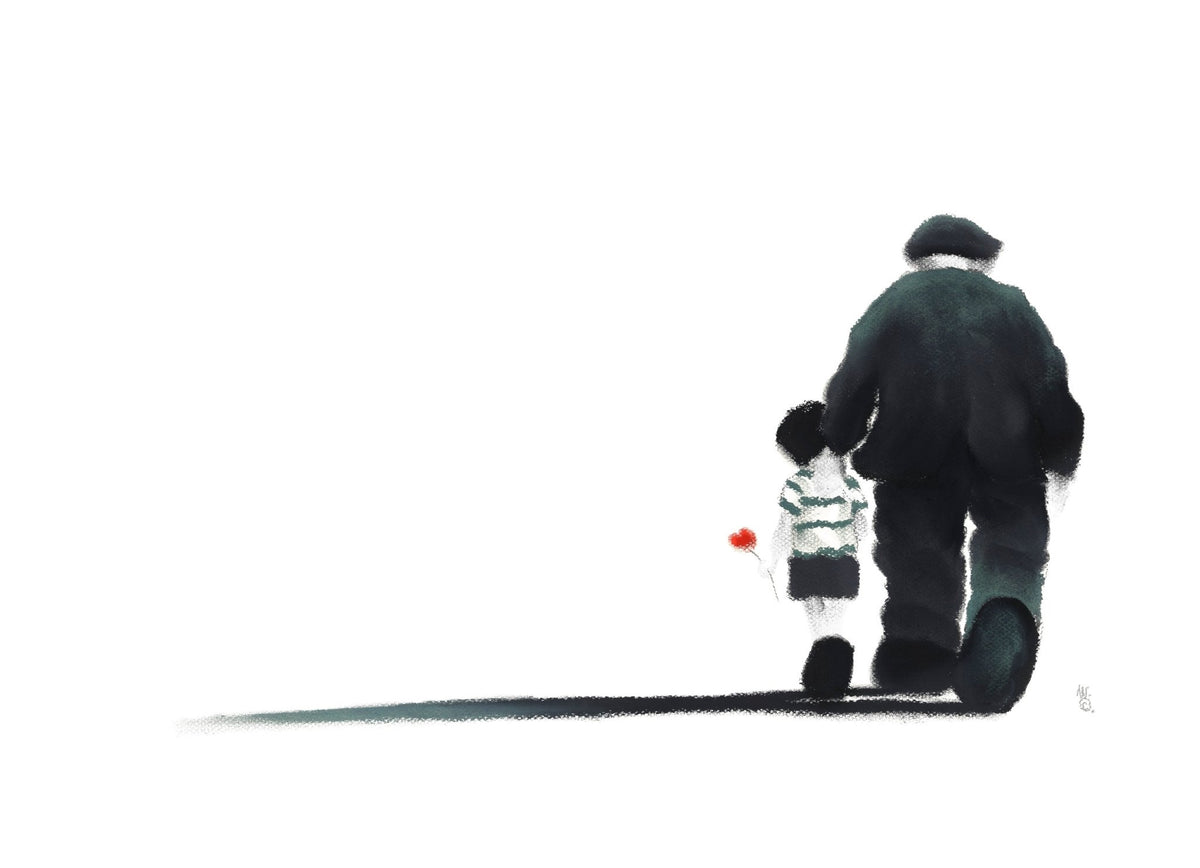
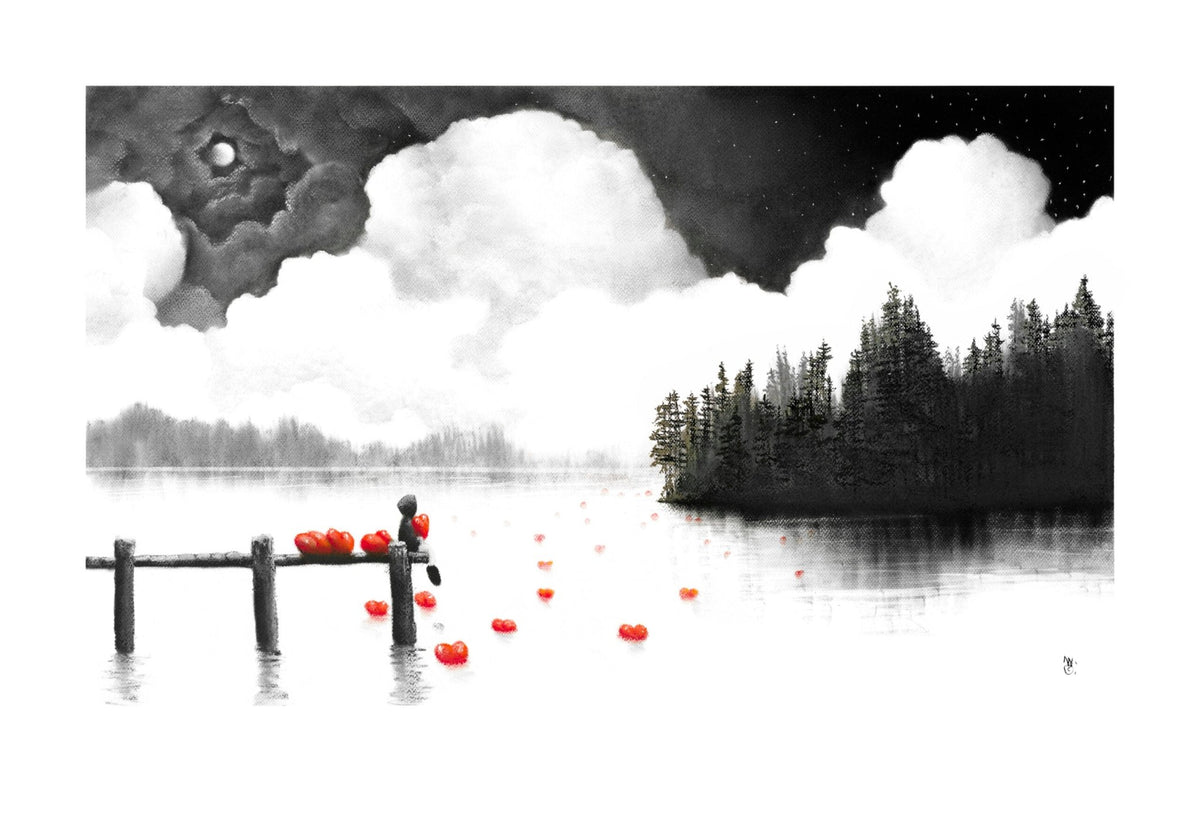
That’s where Fabio Napoleoni continues to resonate. His characters may be simple, but the emotion behind them isn’t. Love, vulnerability, resilience, it’s all there, and it reads instantly.
These pieces don’t just fill a wall; they create a connection. And in a world that’s increasingly digital, that human element matters more than ever.
4. Blending Traditional and Contemporary

The old rules said pick a lane: modern or classic.
2026 says: Why would you?
Some of the most compelling interiors right now are mixing styles. Pairing clean, modern furniture with richly painted landscapes or classic compositions.
Artists like Rob Gonsalves bring a sense of calm and refinement that balances out sharper, more contemporary elements in a room.
This blend creates tension in the best way. It keeps a space from feeling too sterile or too traditional. It feels collected, not decorated.
5. Movement and Energy on the Walls

Static rooms are out. Spaces should feel like they’re in motion even when nothing’s moving.
Artwork with loose brushwork, implied movement, and energy is becoming a go-to for designers looking to keep interiors from feeling stiff.
Michael Flohr captures this effortlessly. His figures feel mid-conversation, mid-laugh, and as if you've stepped into a moment already happening.
That sense of life translates directly into a room. It keeps things from feeling staged and makes the space feel lived in.
6. Color Confidence Is Back

Neutrals aren’t gone, but they’re no longer the star.
Design in 2026 is embracing intentional bursts of color, often introduced through art rather than furniture or walls. It’s a safer way to take risks and an easier one to evolve.
Miguel Freitas brings that balance beautifully. His coastal scenes use bold blues, warm neutrals, and crisp highlights to brighten a space without overwhelming it.
A strong piece of art can carry an entire color story and let everything else fall into place.
Final Thought: Art Is Driving the Room Now
For years, art followed design. It was the last piece added—the finishing touch.
In 2026, it’s the opposite.
Art is the starting point. The anchor. The thing that everything else responds to.
Whether it’s a textured landscape, an emotional character piece, or a bold mixed-media statement, the right artwork doesn’t just complement a space; it defines it.
And the best interiors right now? They don’t look like they were designed.
They look like they were collected.